
Modern Home Design Cape Town: 6 Residential Trends


Cape Town homes are becoming more personal, more flexible and more connected to their surroundings. Homeowners still want beauty and comfort, but they also want homes that respond to daily life: better light, stronger indoor-outdoor flow, private workspaces, sustainable systems and layouts that support changing family needs.
The best modern home design Cape Town has to offer is not about following every trend. It is about reading the site, understanding the people who will live there and creating a home that feels both refined and practical.
At Smooth Design Co., we see these shifts clearly in our residential work across the Western Cape. A recent Hout Bay project in Berg-en-Dal Estate, House Henke, brought many of these ideas together: a modern barn-style form, multigenerational living, open-plan spaces, exposed beams, double volume, private gardens, light, views and a strong connection to the landscape.
Below are six Cape Town architecture trends shaping the way we design modern homes.
1. Modern Home Design in Cape Town Starts with the Site
Every strong home begins with the land.
In Cape Town, a site can offer sea views, mountain views, steep falls, harsh wind, changing sunlight and estate design guidelines. These factors should not be treated as problems at the end of the design process. They should shape the home from the start.
A good residential architect Cape Town homeowners can trust will consider:
Where the best light comes from
How the home can frame views
How to protect outdoor areas from wind
How the building sits on a sloped site
Where privacy is needed
How gardens, decks and courtyards connect to the home
In Hout Bay, for example, views and natural light often drive the layout. With House Henke, the brief called for a home that felt linear, warm and structured, with no awkward unused spaces. That kind of clarity helps turn a complex site into a calm, liveable home.
2. Indoor-Outdoor Living Remains a Core Cape Town Architecture Trend
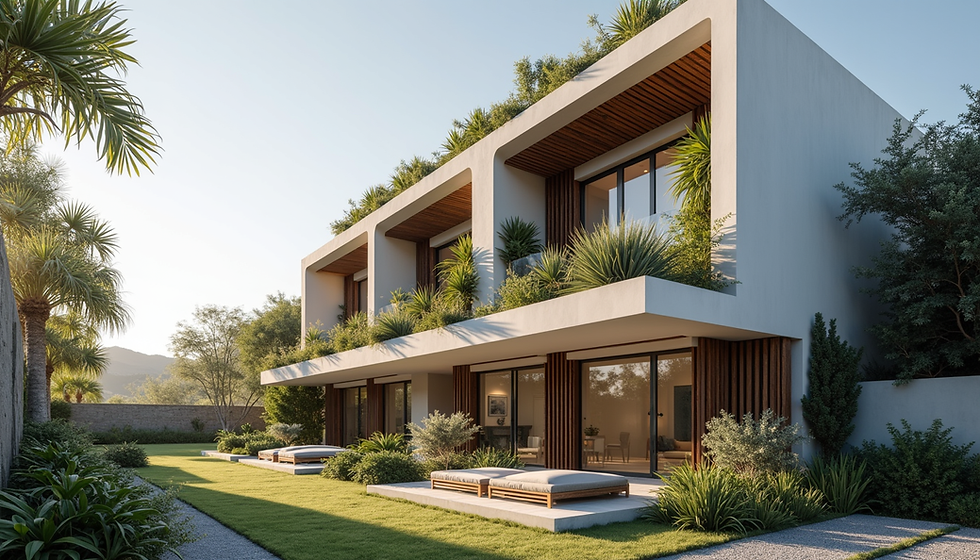
Indoor-outdoor living is still one of the strongest Cape Town architecture trends, but it has become more refined.
It is no longer enough to add large glass doors and call it done. The outdoor spaces need purpose. They must respond to the sun, wind, views and the way the family lives.
This can include:
Sheltered courtyards
Covered patios
Sun decks
Outdoor braai or fireplace areas
Private gardens
Pool terraces
Wind-protected entertainment zones
A well-designed outdoor area should feel like an extension of the home, not a leftover space. In multigenerational homes, outdoor spaces can also create gentle separation. A shared courtyard, for example, can connect two homes without removing privacy.
For Cape Town homeowners, this matters. Our climate encourages outdoor living, but only thoughtful design makes it comfortable throughout the year.
3. Modern Barn-Style Homes Are Becoming More Refined
The modern barn-style home continues to appeal to Cape Town clients.
Its strength lies in simplicity. Clean rooflines, exposed beams, double-volume spaces and open-plan living can create a home that feels spacious without becoming excessive. The form also works well with natural materials and restrained detailing.
In House Henke, the brief pointed towards a barn conversion style with exposed beams, a mezzanine and double-volume living areas. This approach offers warmth and character while still feeling modern.
A modern barn-style home can include:
Pitched roof forms
Exposed structural elements
Open-plan living areas
Double-volume spaces
Large openings for light and views
Natural textures such as timber, stone and steel
A restrained, uncluttered interior language
As a custom home architect Cape Town clients work with from concept to submission, Smooth Design Co. uses these elements carefully. The goal is not to copy a style. The goal is to create a home that feels grounded, elegant and suited to its setting.
4. Multigenerational Homes Need Privacy and Connection
More Cape Town families are asking for homes that support more than one generation.
This does not mean simply adding a flatlet. A successful multigenerational home needs a clear plan. It must allow people to live close to one another while still protecting independence.
That means thinking about:
Separate sleeping areas
Independent entrances where needed
Shared and private gardens
Sound separation
Guest access
Parking
Kitchen and laundry needs
How the homes connect internally
In a recent Hout Bay residential brief, Smooth Design Co. explored this through a main home and a smaller independent residence joined by a door. The design challenge was to make the two homes feel connected as one architectural idea, while giving each residence privacy and its own rhythm.
This is where architectural planning has real value. The plan must support family life now, but it must also remain flexible as needs change.
5. Open-Plan Living Works Best with Clear Zones
Open-plan living remains popular, but the best modern homes avoid one large, undefined room.
A strong open-plan layout still needs structure. The kitchen, dining area, lounge, study, fireplace and outdoor spaces must each have a clear role. Without this, a home can feel empty, noisy or difficult to furnish.
Good design can create zones through:
Ceiling height changes
Exposed beams
Fireplaces
Furniture placement
Courtyards
Floor level shifts
Built-in joinery
Light and view orientation
This is especially important in larger family homes. The living area should feel open, but not exposed. It should allow people to gather, work, cook, rest and entertain without every function competing in one space.
At Smooth Design Co., we often describe this as structured openness. The home feels generous, but it still works.
6. Flexible Spaces Are Now Essential in Custom Home Design
Modern families need homes that can adapt.
Remote work, changing family structures, visiting relatives and lifestyle hobbies all affect the brief. A room may need to work as a study today, a guest suite later and a creative space in future.
Flexible residential design can include:
A private study
Guest bedrooms with en-suite bathrooms
Secondary lounges
Storage for sports gear or surfboards
Scullery and laundry zones
Garages that support daily life, not only parking
Adaptable rooms near main living areas
For Cape Town homeowners, storage and utility spaces matter more than they often realise. A beautiful home can quickly feel cluttered if the plan does not make space for real life.
This is where Affordable Elegance becomes practical. Elegance is not about overspending. It is about making thoughtful choices that improve how the home works every day.
7. Sustainable Design Should Feel Practical, Not Added On
Sustainable architecture works best when it forms part of the design from the beginning.
For modern home design Cape Town, this can include orientation, natural light, passive warmth, solar readiness, water-wise gardens and durable materials. These choices should not feel like technical add-ons. They should make the home more comfortable, more efficient and more resilient.
Environment Focused Design can include:
Better orientation for sunlight and shade
Natural ventilation
Solar planning
Protected courtyards
Efficient glazing
Low-maintenance materials
Water-wise landscaping
Long-lasting finishes that reduce future replacement costs
A home that uses light well, manages heat better and supports outdoor living more comfortably will usually cost less to run over time. That is good for the environment and good for the client.
Bringing Modern Cape Town Living Together
The strongest Cape Town architecture trends all point in the same direction: homes that feel personal, flexible, site-specific and practical.
For homeowners, the lesson is simple. A successful modern home does not begin with a style. It begins with a clear brief, a careful reading of the site and a design team that can turn ideas into a buildable plan.
Whether you are planning a new build, a renovation or a custom home in an estate, the right residential architect Cape Town partner can help you shape a home that reflects your lifestyle, respects your budget and responds to its setting.
At Smooth Design Co., we design homes with a balance of Affordable Elegance and Environment Focused Design. From concept and draughting through to city submissions, we help clients create spaces that are beautiful, compliant and made for real life.
Planning a modern Cape Town home? Contact Smooth Design Co. to start your residential architecture journey with a local team that understands both the vision and the detail.


Comments